-
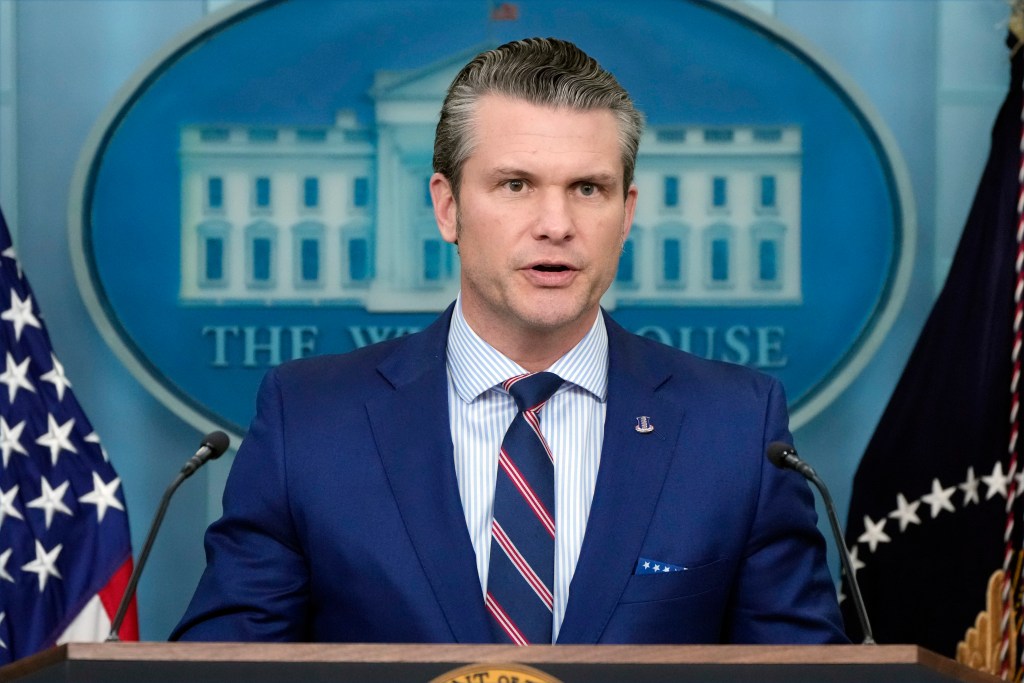
Hegseth to host Australian leader in first visit with a foreign peer
The visit between Hegseth and the defense minister of Australia comes during a moment of uncertainty for U.S. allies.
-
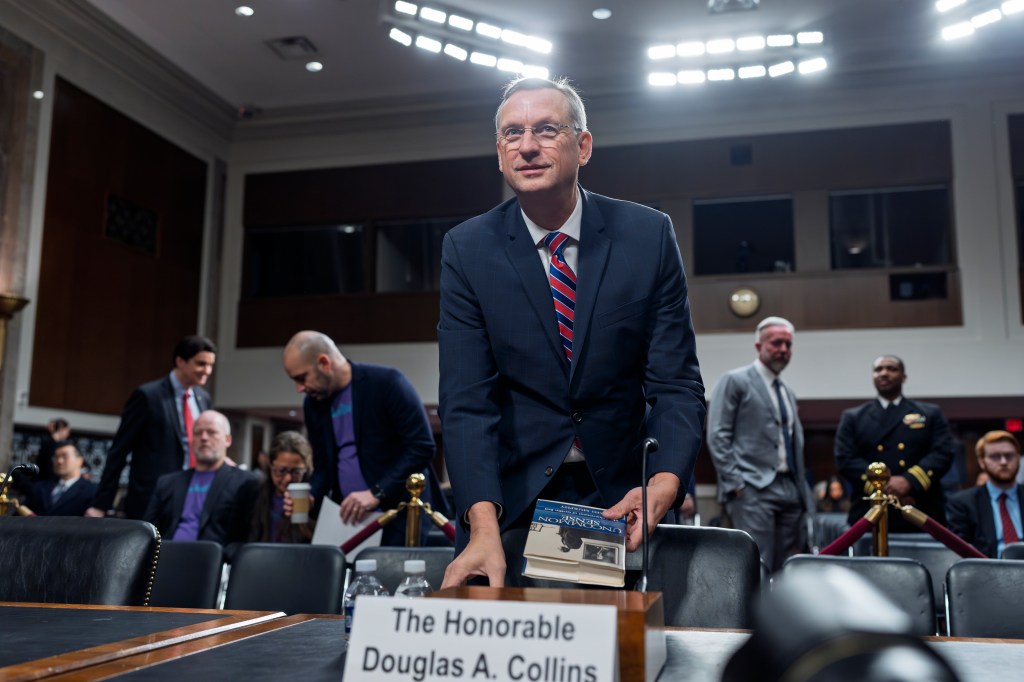
Collins becomes first post-9/11 vet to be confirmed as VA secretary
The former Georgia congressman was easily confirmed to lead the nation’s delivery of veterans benefits and health care.

Pentagon & Congress
The latest military news from the Pentagon and Congress.
-
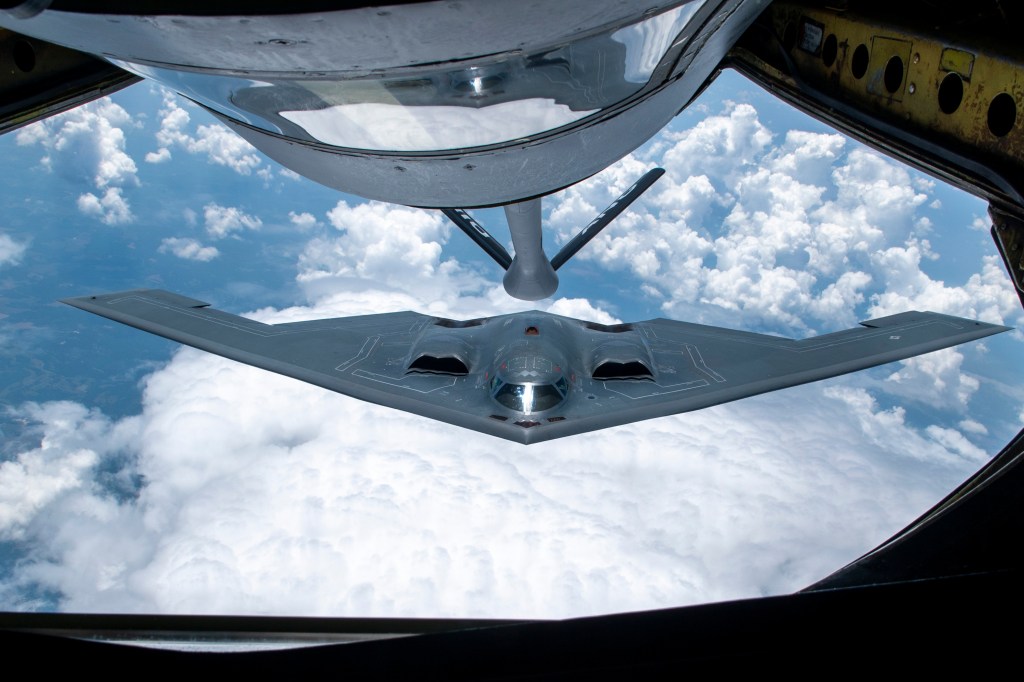
A year of strikes: US military operations surge under Trump
President Trump has presided over a surge of U.S. military activity abroad since returning to the Oval Office.
-
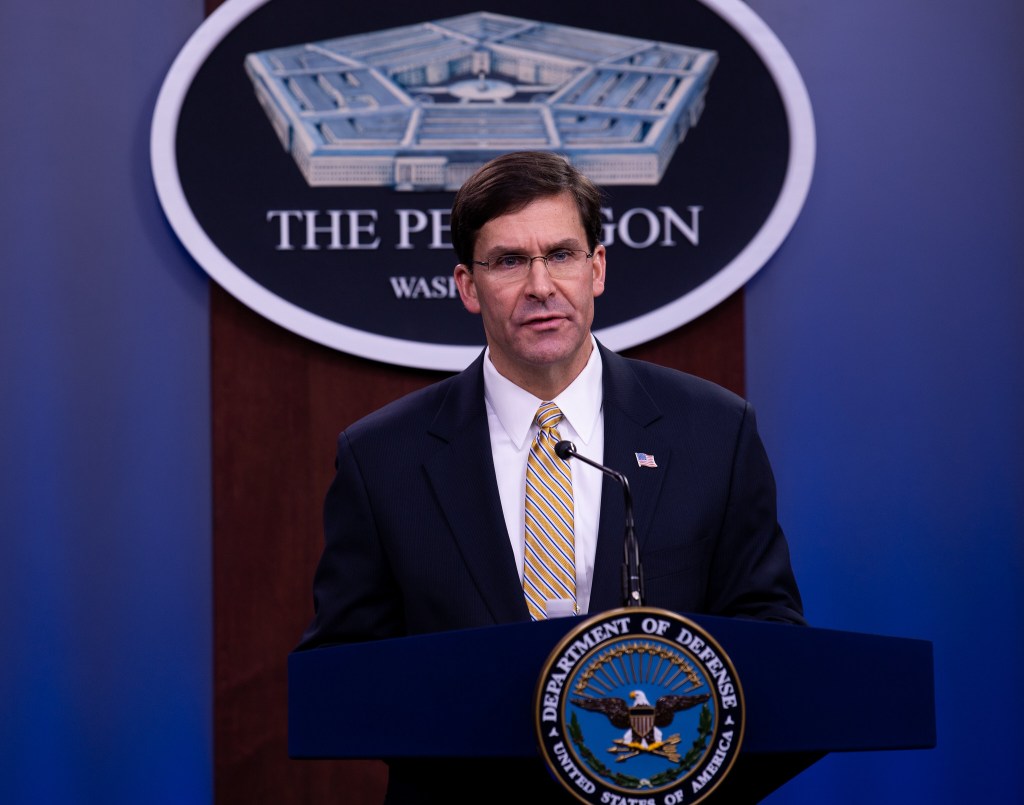
Esper: US does not expect more Iranian retaliatory attacks
Defense Secretary Mark Esper said Sunday the Trump administration foresees no more Iranian military attacks in retaliation for the U.S. strike that killed the Islamic Republic’s most powerful general. The Pentagon chief suggested that Iran’s government is under internal threat following its downing of a Ukrainian civilian airliner.
-
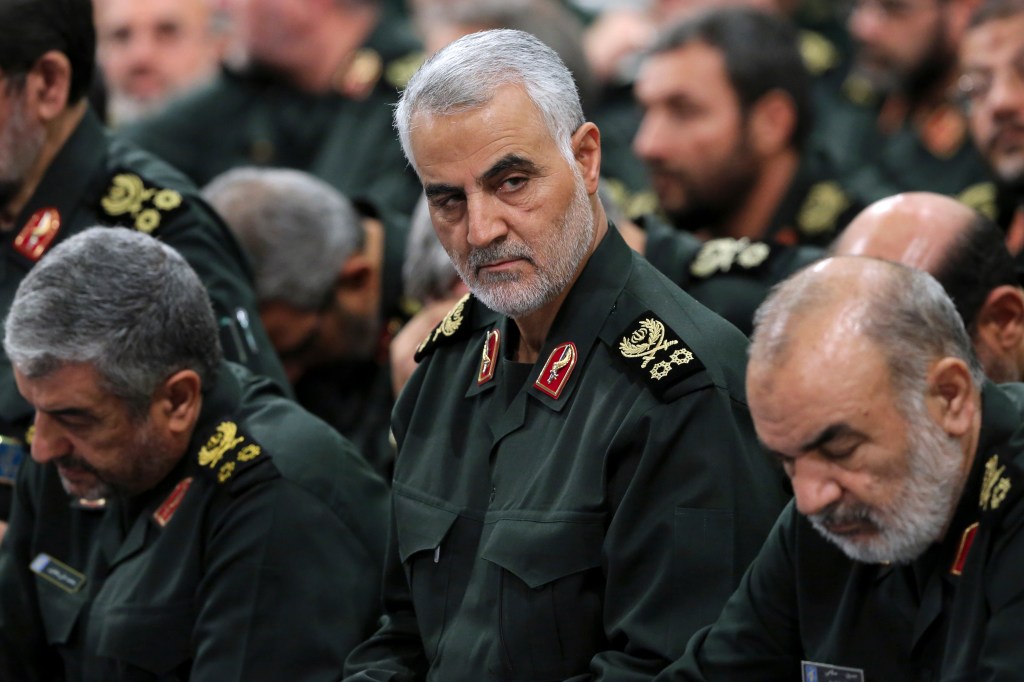
Esper says he never saw evidence of threat against four US embassies
Defense Secretary Mark Esper says he shares the president’s opinion.
-
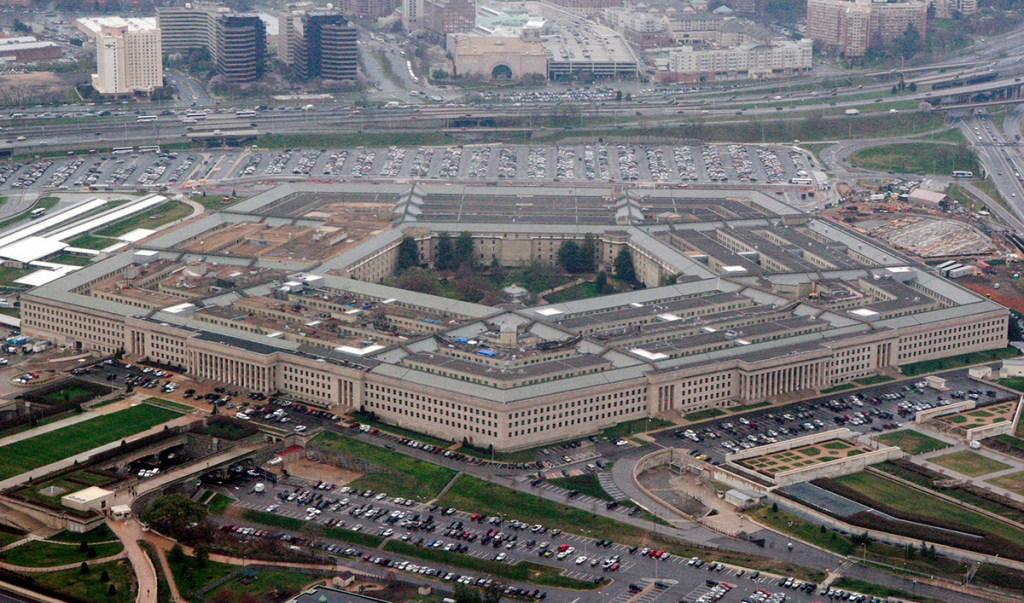
US tried, failed to take out Iranian Quds leader in Yemen
The officials said a military airstrike targeted Abdul Reza Shahla’i, a high-ranking commander in Iran’s Islamic Republican Guard Corps but the mission was not successful. The officials spoke on condition of anonymity in order to discuss a classified mission.
-

Got a military medical malpractice claim? Here’s how to file
Military personnel can file claims with their respective services.
-
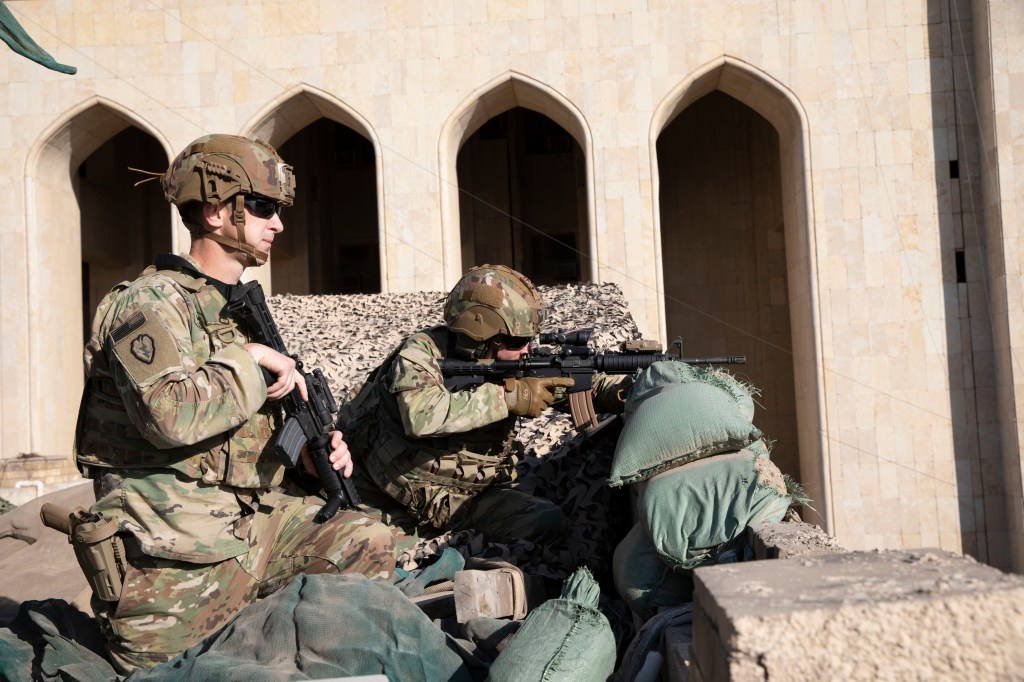
U.S. leaders dismiss Iraqi requests to remove all military forces
Secretary of State Mike Pompeo said he will talk about force size and structure with Iraqi leaders, but not a full withdrawal.
-
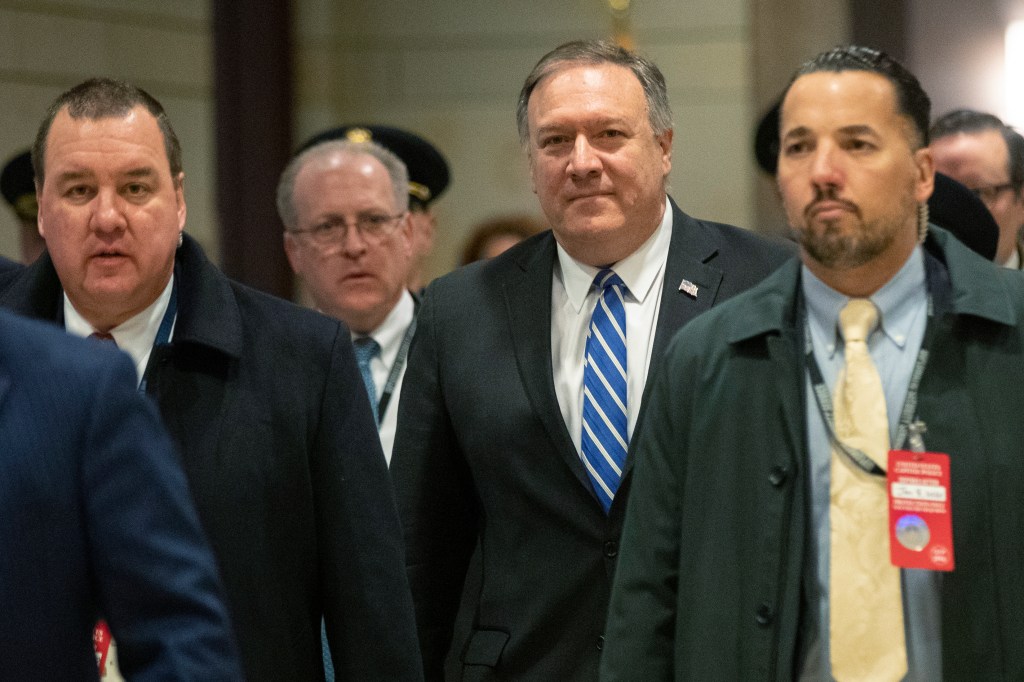
US dismisses Iraq request to work on a troop withdrawal plan
Iraq’s caretaker prime minister asked Washington to work out a road map for an American troop withdrawal, but the U.S. State Department on Friday bluntly rejected the request, saying the two sides should instead talk about how to “recommit” to their partnership.
-
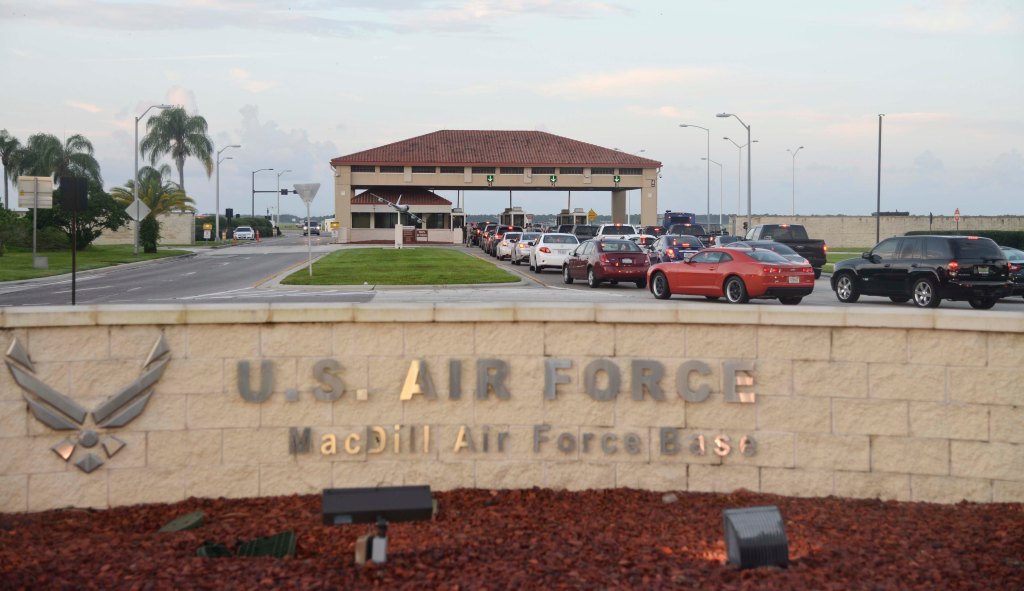
MacDill Air Force Base briefly locked down, authorities searching for suspect
The lockdown came at a time when base security has been heightened in the wake of the killing of Iranian Quds Force leader Qassem Soleimani.
-
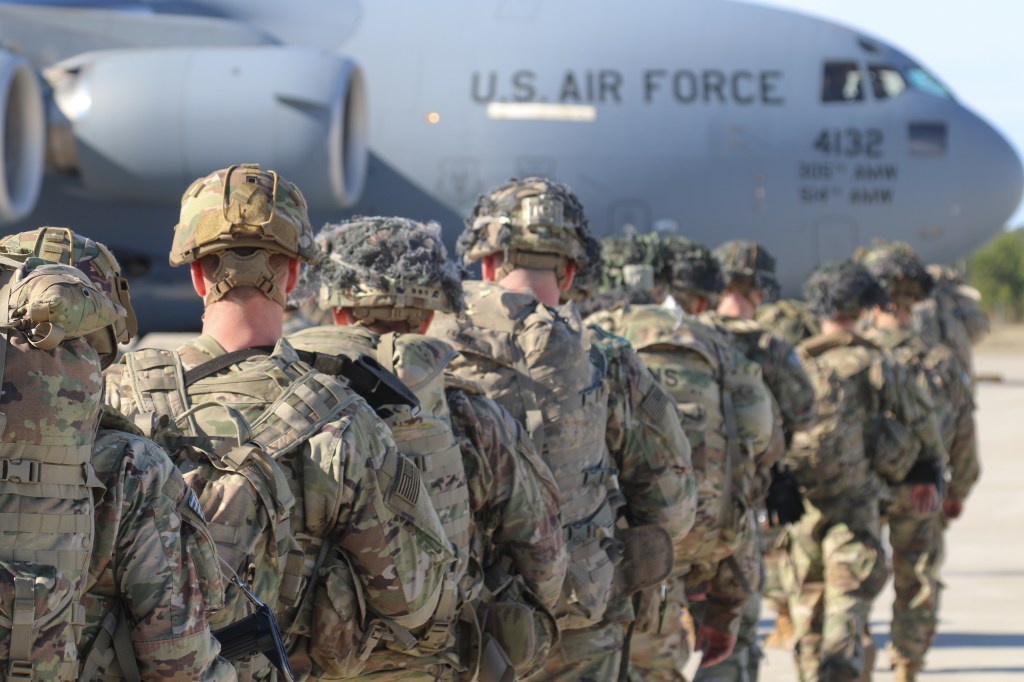
In a rebuke to Trump, House Dems advance measure barring war with Iran
The non-binding resolution demands more involvement from Congress in decisions that could lead to war, but faces an uncertain future in the Senate.
-
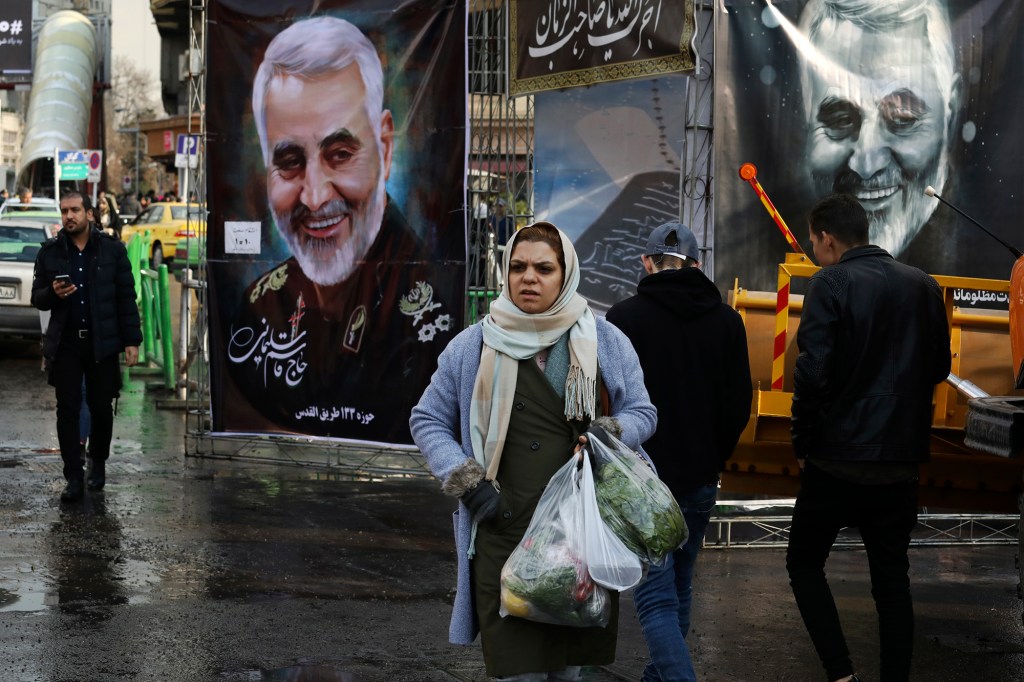
Iran sends mixed signals as tensions with US ease
Iran sent mixed signals Thursday as tensions with the U.S. appeared to ease, with President Hassan Rouhani warning of a “very dangerous response” if the U.S. makes “another mistake” and a senior commander vowing “harsher revenge” for the killing of a top Iranian general.
-
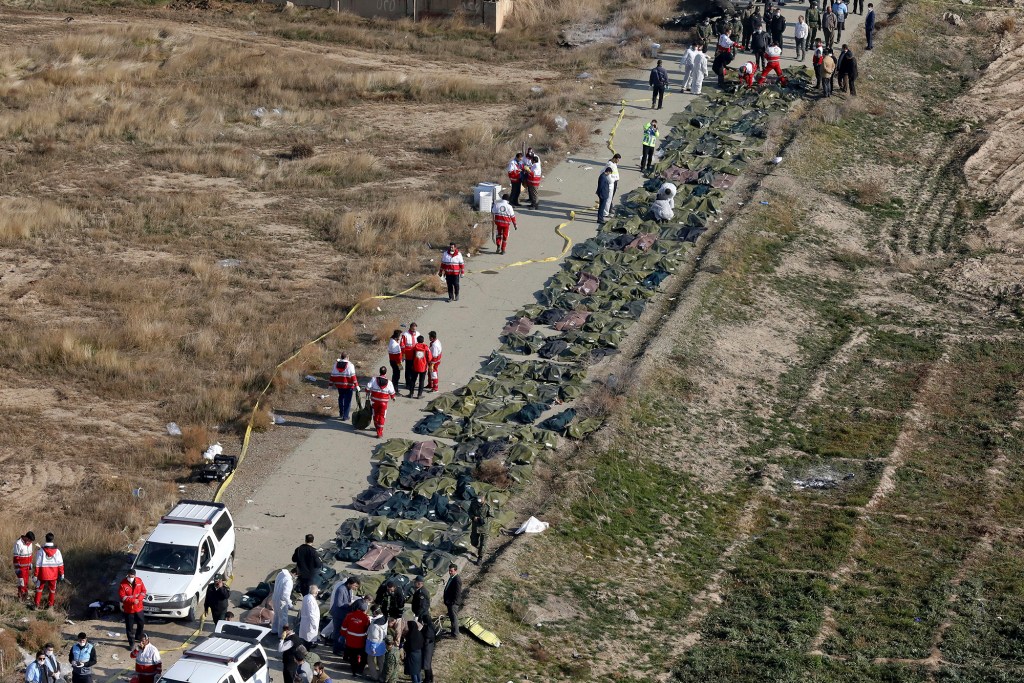
US officials: ‘Highly likely’ Iran downed Ukrainian jetliner
President Donald Trump suggested that he believes Iran was responsible and wouldn’t directly lay the blame on Iran, but dismissed their claims that it was a mechanical issue — and denied any U.S. responsibility.’