-

Why the Defense Department needs a chief economist
Congress should authorize a chief economist to keep the DOD thinking about the dollars and cents of defense spending, the authors of this op-ed argue.
-
The pitfalls of being the ‘good guy’ NCO
Our guest opinion writer argues that, when non-commissioned officers try to be everyone’s friend, nobody benefits.
-

Federal employees should retain rights to reservist differential pay
The government’s stance in a pending Supreme Court case would financially harm reservists employed by the federal government, writes Hampton Dellinger.
-

Future of US defense depends on culture shift prioritizing innovation
Congress and DOD must recalibrate their defense technology acquisition approach, senior members of the House Armed Services Committee argue in this op-ed.
-

‘Loss of confidence’ doesn’t explain enough about command firings
Our guest opinion writer argues that the military should share more about the details of command firings.
-

To deter Iran, US must rethink military basing in the Middle East
Geography is destiny, but when it comes to U.S. bases in the Middle East, it needn’t be, Gen. Kenneth F. McKenzie Jr. (ret.) writes in this op-ed.
-

Junior enlisted pay raise will strengthen the current and future force
A junior enlisted pay raise should be part of a broader defense investment, not an “either-or” choice, Lt. Gen. Brian T. Kelly (ret.) writes in this op-ed.
-

Veterans health records need progress, not congressional sabotage
The overly cautious delays of the VA’s new electronic health records system must end, AMVETS National Executive Director Joe Chenelly writes in this op-ed.
-
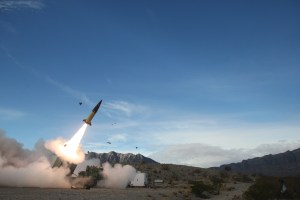
The case for giving Ukraine long-range striking power in Russia
The U.S. could benefit Ukraine by doing more to help it to conduct long-range strikes in Russia, the authors of this op-ed argue.
-

Why food insecurity remains a challenge for troops and their families
The unique challenges and lived experiences of service members result in a disproportionate rate of food insecurity, the authors of this op-ed write.
-
Why the Defense Department needs a chief economist
Congress should authorize a chief economist to keep the DOD thinking about the dollars and cents of defense spending, the authors of this op-ed argue.
-
The pitfalls of being the ‘good guy’ NCO
Our guest opinion writer argues that, when non-commissioned officers try to be everyone’s friend, nobody benefits.
-
Federal employees should retain rights to reservist differential pay
The government’s stance in a pending Supreme Court case would financially harm reservists employed by the federal government, writes Hampton Dellinger.
-
Future of US defense depends on culture shift prioritizing innovation
Congress and DOD must recalibrate their defense technology acquisition approach, senior members of the House Armed Services Committee argue in this op-ed.
-
‘Loss of confidence’ doesn’t explain enough about command firings
Our guest opinion writer argues that the military should share more about the details of command firings.
-
To deter Iran, US must rethink military basing in the Middle East
Geography is destiny, but when it comes to U.S. bases in the Middle East, it needn’t be, Gen. Kenneth F. McKenzie Jr. (ret.) writes in this op-ed.
-
Junior enlisted pay raise will strengthen the current and future force
A junior enlisted pay raise should be part of a broader defense investment, not an “either-or” choice, Lt. Gen. Brian T. Kelly (ret.) writes in this op-ed.
-
Veterans health records need progress, not congressional sabotage
The overly cautious delays of the VA’s new electronic health records system must end, AMVETS National Executive Director Joe Chenelly writes in this op-ed.
-
The case for giving Ukraine long-range striking power in Russia
The U.S. could benefit Ukraine by doing more to help it to conduct long-range strikes in Russia, the authors of this op-ed argue.
-
Why food insecurity remains a challenge for troops and their families
The unique challenges and lived experiences of service members result in a disproportionate rate of food insecurity, the authors of this op-ed write.
-

Why the Defense Department needs a chief economist
Congress should authorize a chief economist to keep the DOD thinking about the dollars and cents of defense spending, the authors of this op-ed argue.
-
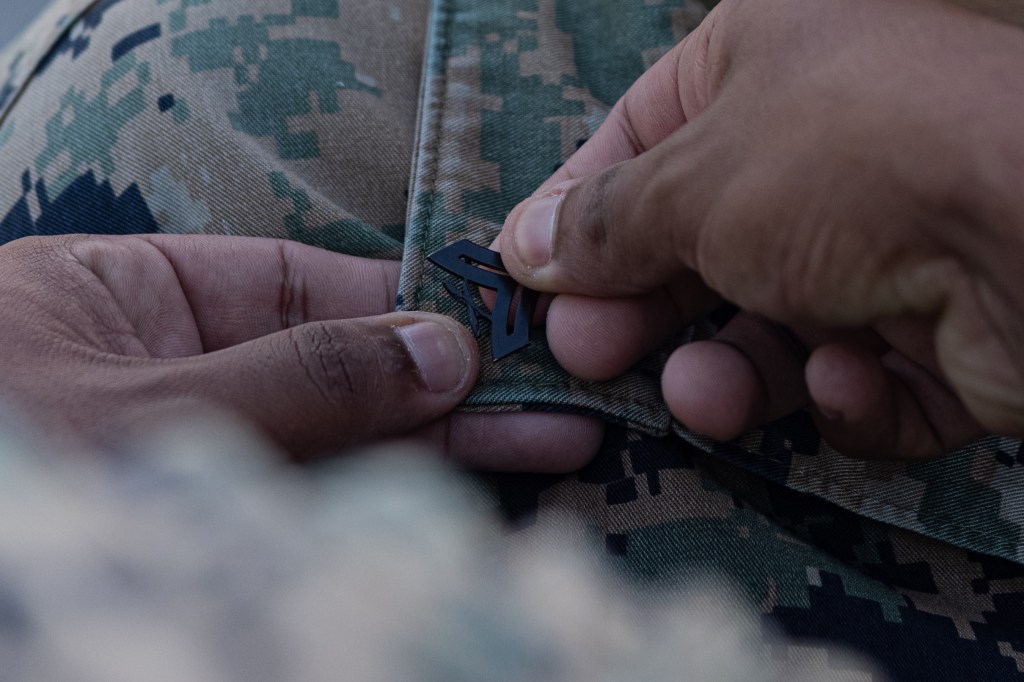
The pitfalls of being the ‘good guy’ NCO
Our guest opinion writer argues that, when non-commissioned officers try to be everyone’s friend, nobody benefits.
-
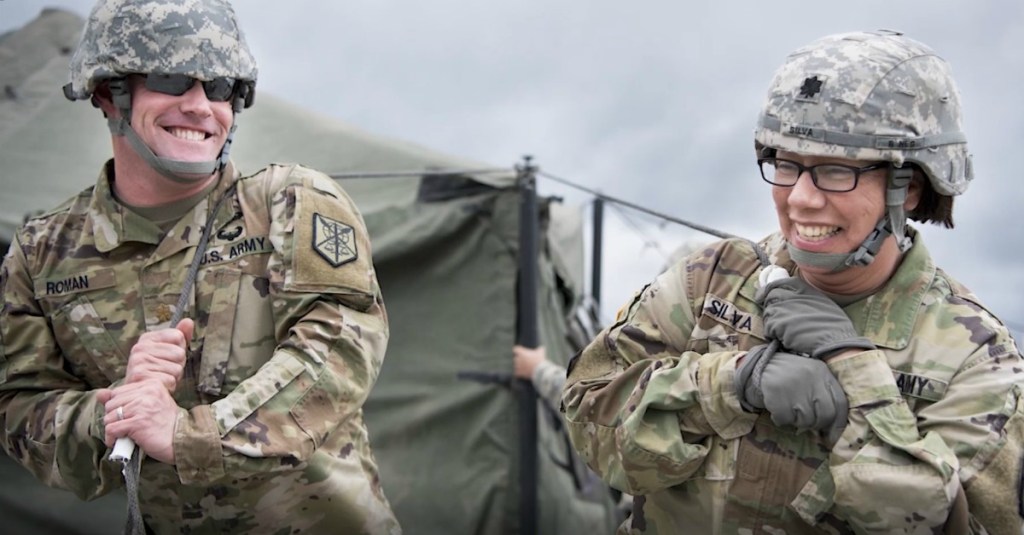
Federal employees should retain rights to reservist differential pay
The government’s stance in a pending Supreme Court case would financially harm reservists employed by the federal government, writes Hampton Dellinger.
-

Future of US defense depends on culture shift prioritizing innovation
Congress and DOD must recalibrate their defense technology acquisition approach, senior members of the House Armed Services Committee argue in this op-ed.
-
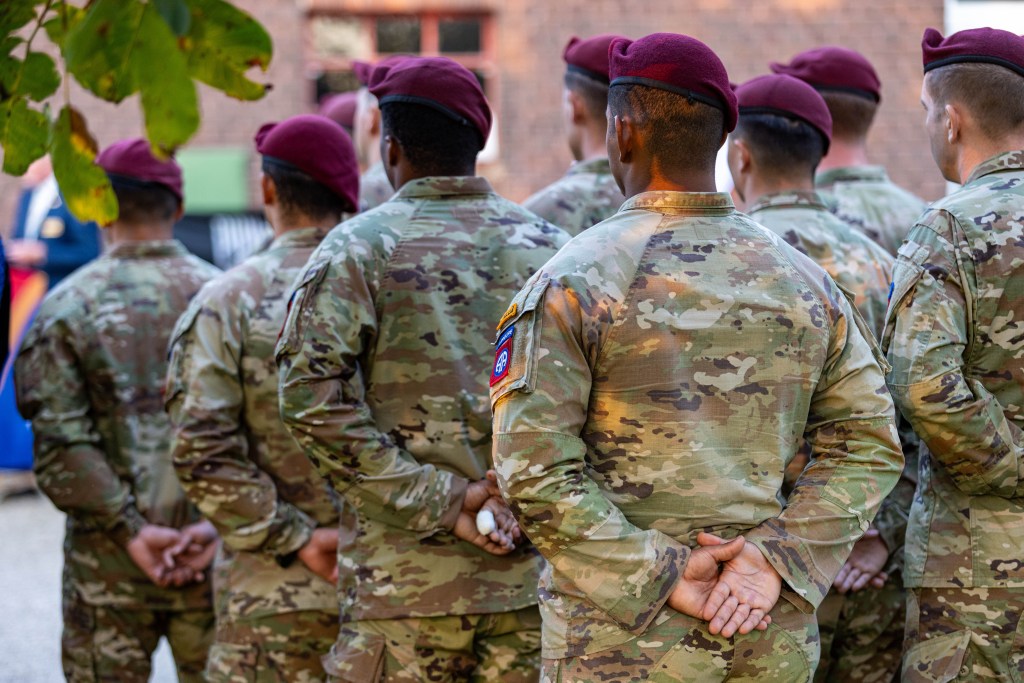
‘Loss of confidence’ doesn’t explain enough about command firings
Our guest opinion writer argues that the military should share more about the details of command firings.
-
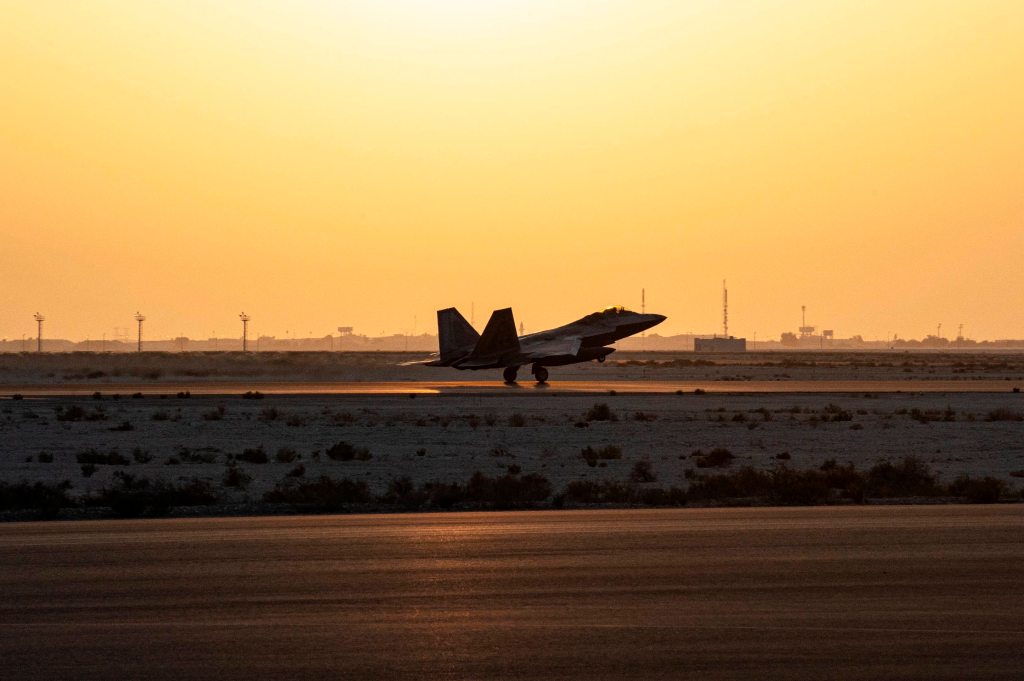
To deter Iran, US must rethink military basing in the Middle East
Geography is destiny, but when it comes to U.S. bases in the Middle East, it needn’t be, Gen. Kenneth F. McKenzie Jr. (ret.) writes in this op-ed.
-

Junior enlisted pay raise will strengthen the current and future force
A junior enlisted pay raise should be part of a broader defense investment, not an “either-or” choice, Lt. Gen. Brian T. Kelly (ret.) writes in this op-ed.
-
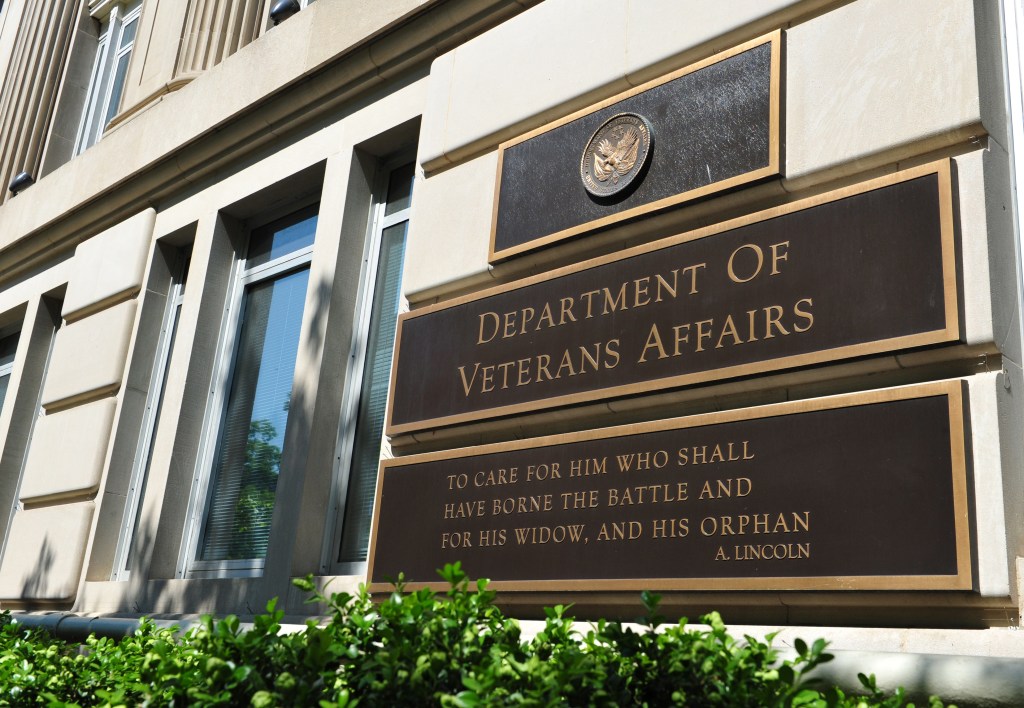
Veterans health records need progress, not congressional sabotage
The overly cautious delays of the VA’s new electronic health records system must end, AMVETS National Executive Director Joe Chenelly writes in this op-ed.
-
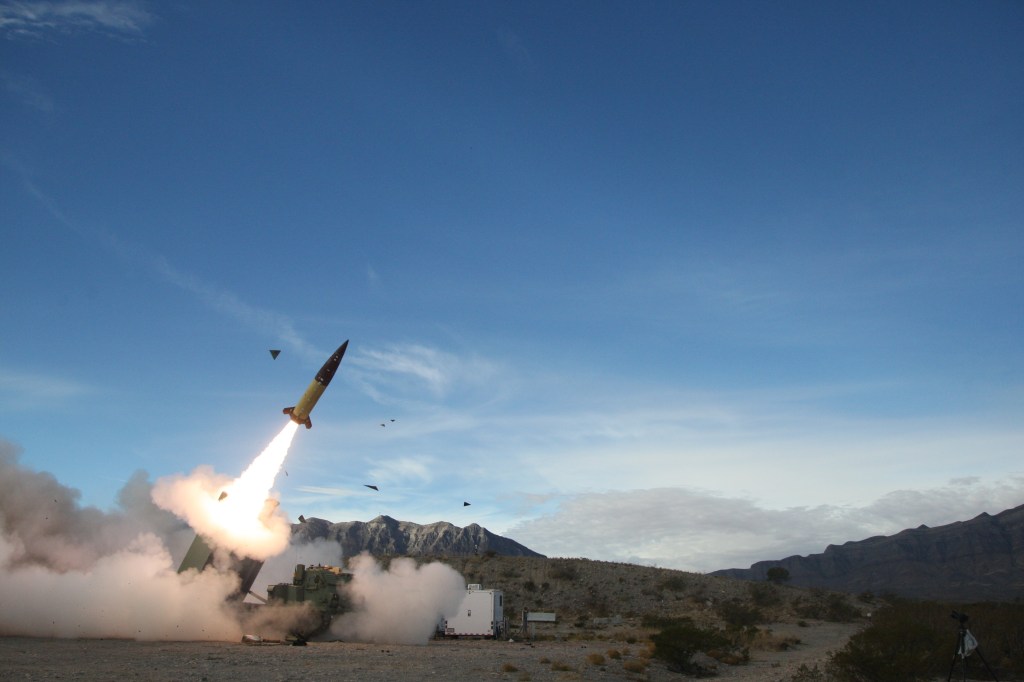
The case for giving Ukraine long-range striking power in Russia
The U.S. could benefit Ukraine by doing more to help it to conduct long-range strikes in Russia, the authors of this op-ed argue.
-

Why food insecurity remains a challenge for troops and their families
The unique challenges and lived experiences of service members result in a disproportionate rate of food insecurity, the authors of this op-ed write.