-

The National Guard is in the crosshairs. Congress can save it
In this opinion piece, the author argues that proposed legislative changes to the National Guard could have detrimental effects on the force.
-

How the VA could fix its $15 billion budget shortfall
Insurance subvention is complicated, but it could help alleviate the VA’s massive budget deficit, former VA Secretary David Shulkin argues.
-

Talk of US Iraq withdrawal is disconnected from ISIS threat
Details of a future U.S. military posture in Iraq remain murky, but consequences of a premature withdrawal are clear, the author of this op-ed argues.
-

America’s future advantage depends on quick adoption of advanced tech
The U.S. military must learn from Ukraine and accelerate its adoption of advanced AI and robotics, former Defense Secretary Mark T. Esper argues.
-

Navy’s recruitment strategy should inspire other branches to act
U.S. Rep. Tony Gonzales argues all military branches should open recruitment to those without high school diplomas or GEDs in this op-ed.
-

No, NATO doesn’t need to return to failed cluster munitions
Since their peak production period during the Cold War, a wide array of more accurate and reliable weapons has become available.
-

When it comes to military AI, there is no second place
Our guest opinion writer argues that AI must be prioritized across military programs and platforms, or else America risks losing the AI race to China.
-

Improving military education benefits is crucial for national security
Meg O’Grady offers three ways military leaders and policymakers can enhance and modernize education benefits for service members in this op-ed.
-

The US needs more pop-up air bases worldwide to keep enemies guessing
Large-scale Air Force exercise rescripted to address growing threats to large installations, argue analysts Bradley Bowman and Lydia LaFavor.
-

NATO states should abandon treaty banning the use of cluster munitions
Our guest authors argue that a treaty banning cluster bombs should be abandoned by NATO states, given the threat of Russia and China.
-
The National Guard is in the crosshairs. Congress can save it
In this opinion piece, the author argues that proposed legislative changes to the National Guard could have detrimental effects on the force.
-
How the VA could fix its $15 billion budget shortfall
Insurance subvention is complicated, but it could help alleviate the VA’s massive budget deficit, former VA Secretary David Shulkin argues.
-
Talk of US Iraq withdrawal is disconnected from ISIS threat
Details of a future U.S. military posture in Iraq remain murky, but consequences of a premature withdrawal are clear, the author of this op-ed argues.
-
America’s future advantage depends on quick adoption of advanced tech
The U.S. military must learn from Ukraine and accelerate its adoption of advanced AI and robotics, former Defense Secretary Mark T. Esper argues.
-
Navy’s recruitment strategy should inspire other branches to act
U.S. Rep. Tony Gonzales argues all military branches should open recruitment to those without high school diplomas or GEDs in this op-ed.
-
No, NATO doesn’t need to return to failed cluster munitions
Since their peak production period during the Cold War, a wide array of more accurate and reliable weapons has become available.
-
When it comes to military AI, there is no second place
Our guest opinion writer argues that AI must be prioritized across military programs and platforms, or else America risks losing the AI race to China.
-
Improving military education benefits is crucial for national security
Meg O’Grady offers three ways military leaders and policymakers can enhance and modernize education benefits for service members in this op-ed.
-
The US needs more pop-up air bases worldwide to keep enemies guessing
Large-scale Air Force exercise rescripted to address growing threats to large installations, argue analysts Bradley Bowman and Lydia LaFavor.
-
NATO states should abandon treaty banning the use of cluster munitions
Our guest authors argue that a treaty banning cluster bombs should be abandoned by NATO states, given the threat of Russia and China.
-

The National Guard is in the crosshairs. Congress can save it
In this opinion piece, the author argues that proposed legislative changes to the National Guard could have detrimental effects on the force.
-

How the VA could fix its $15 billion budget shortfall
Insurance subvention is complicated, but it could help alleviate the VA’s massive budget deficit, former VA Secretary David Shulkin argues.
-

Talk of US Iraq withdrawal is disconnected from ISIS threat
Details of a future U.S. military posture in Iraq remain murky, but consequences of a premature withdrawal are clear, the author of this op-ed argues.
-

America’s future advantage depends on quick adoption of advanced tech
The U.S. military must learn from Ukraine and accelerate its adoption of advanced AI and robotics, former Defense Secretary Mark T. Esper argues.
-

Navy’s recruitment strategy should inspire other branches to act
U.S. Rep. Tony Gonzales argues all military branches should open recruitment to those without high school diplomas or GEDs in this op-ed.
-

No, NATO doesn’t need to return to failed cluster munitions
Since their peak production period during the Cold War, a wide array of more accurate and reliable weapons has become available.
-

When it comes to military AI, there is no second place
Our guest opinion writer argues that AI must be prioritized across military programs and platforms, or else America risks losing the AI race to China.
-

Improving military education benefits is crucial for national security
Meg O’Grady offers three ways military leaders and policymakers can enhance and modernize education benefits for service members in this op-ed.
-
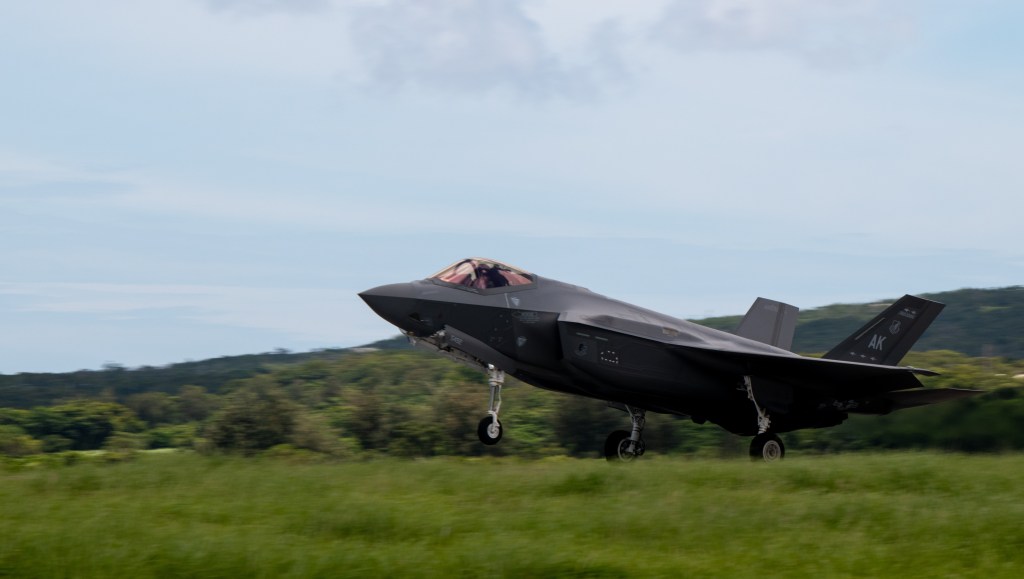
The US needs more pop-up air bases worldwide to keep enemies guessing
Large-scale Air Force exercise rescripted to address growing threats to large installations, argue analysts Bradley Bowman and Lydia LaFavor.
-

NATO states should abandon treaty banning the use of cluster munitions
Our guest authors argue that a treaty banning cluster bombs should be abandoned by NATO states, given the threat of Russia and China.